
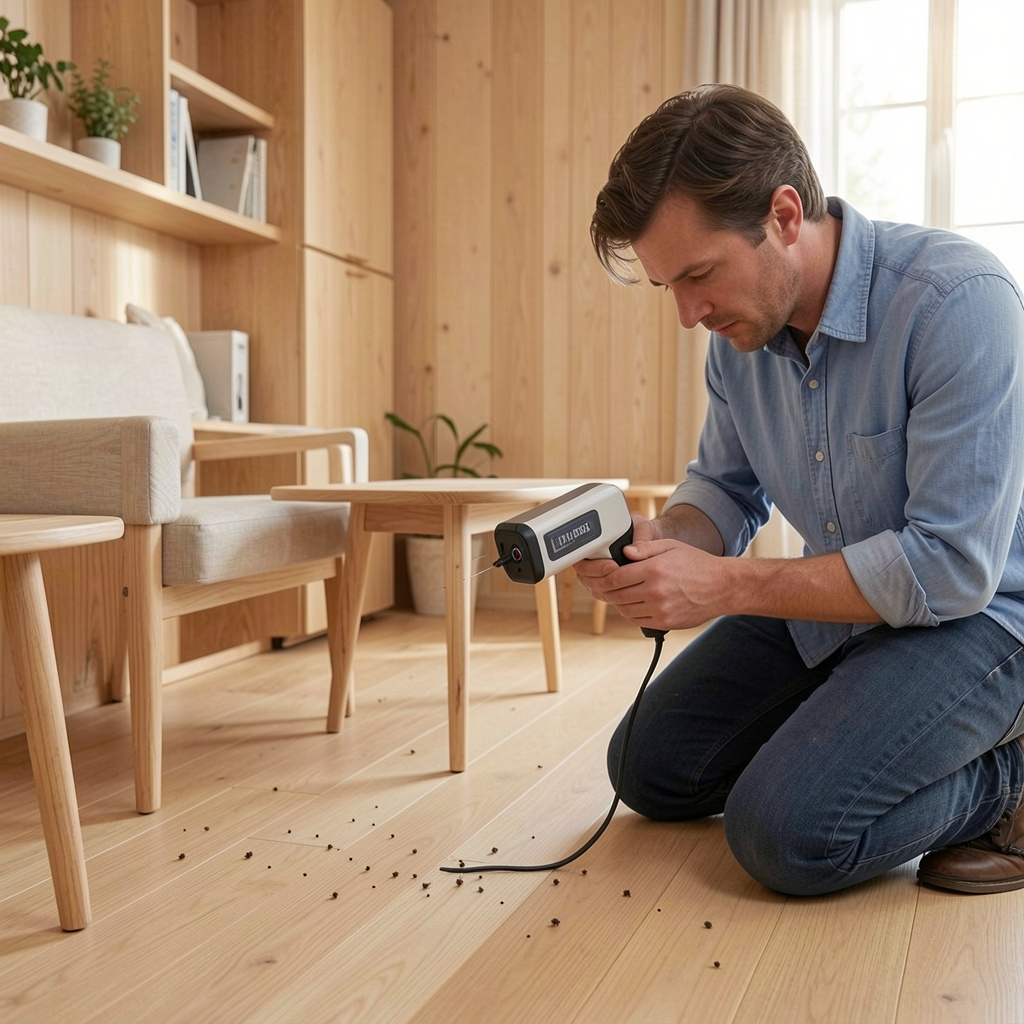
Wood is one of the most valuable materials used in homes, furniture, cabins, flooring, roof structures, and outdoor buildings. It provides beauty, durability, and long-term strength. However, because wood is a natural material, it can become vulnerable to pests that quietly damage timber from the inside.
Some wood pests are more dangerous than others because they weaken structural timber, destroy furniture, and create expensive repair problems before homeowners even notice signs of infestation. Since many wood-damaging insects remain hidden for long periods, damage often becomes serious before action is taken.
The good news is that understanding the most dangerous wood pests helps homeowners recognize warning signs early and take preventive action before timber suffers severe damage.
Many homeowners researching timber care through shashel.eu/ understand that early detection and prevention are essential for protecting wooden structures from destructive pests.
In this guide, we will explore the most dangerous wood pests, how they damage timber, and the warning signs homeowners should never ignore.
1. Termites
One of the most dangerous wood pests is the termite.
Termite
Why Termites Are Dangerous
Termites feed on wood continuously.
They often attack:
- Structural timber
- Roof beams
- Floorboards
- Wall supports
Why Damage Is Serious
Termites work quietly inside wood.
In many cases:
Homeowners notice damage only after timber weakens
Severe infestation may affect structural safety.
Common Warning Signs
Watch for:
- Hollow-sounding wood
- Weak timber
- Mud-like tunnels
Fast action matters.
2. Woodworm Beetles
Woodworm is one of the most common wood pests affecting homes.
Woodworm
Why Woodworm Is Dangerous
Woodworm larvae feed inside timber for:
Months or even years
This may weaken:
- Furniture
- Floorboards
- Roof beams
Warning Signs Include
- Tiny holes in wood
- Powdery dust
Damage often remains hidden.
Early treatment improves outcomes.
Many homeowners exploring timber care through shashel.eu recognize that woodworm damage can quietly spread if ignored for too long.
3. Powderpost Beetles
Powderpost beetles are another serious threat to timber.
Powderpost beetle
Why They Are Dangerous
These beetles create tunnels inside wood.
Over time:
- Timber weakens
Commonly Affected Areas
They may attack:
- Flooring
- Furniture
- Wooden beams
Warning Signs
Look for:
- Fine powdery dust
- Tiny holes
Fast inspection matters.
4. Carpenter Ants
Carpenter ants are different from termites.
Carpenter ant
Why They Are Dangerous
Instead of eating wood:
They tunnel through it to create nests
This may weaken:
- Wooden walls
- Structural timber
Common Warning Signs
Watch for:
- Small wood shavings
- Rustling sounds in walls
Moist wood increases attraction.
Fixing moisture problems helps reduce risk.
5. Carpenter Bees
Carpenter bees may damage outdoor timber.
Carpenter bee
Why They Cause Problems
They drill holes into wood for nesting.
Commonly Affected Areas
Outdoor timber such as:
- Decking
- Fences
- Wooden railings
Repeated nesting weakens surfaces.
Protective coatings improve prevention.
6. Wood-Boring Beetles
Several species of wood-boring beetles damage timber.
Wood-boring beetle
Why They Are Dangerous
Larvae tunnel through wood internally.
Damage often affects:
- Furniture
- Structural supports
Warning Signs Include
- Small holes
- Weak wood
Early detection prevents spreading.
7. Fungal Decay (Indirect Wood Threat)
Although not technically a pest, fungal growth creates serious wood problems.
Wood rot fungus
Why Fungus Matters
Damp timber becomes vulnerable to:
- Rot
- Weakening
Why This Increases Pest Risk
Rotting wood attracts:
- Woodworm
- Carpenter ants
Healthy airflow helps prevent problems.
Why Hidden Wood Pests Are So Dangerous
One major problem with wood pests is that:
Damage often remains hidden
Pests frequently live inside:
- Roof beams
- Floors
- Walls
By the time symptoms appear:
- Timber may already weaken
Routine inspection helps prevent major repairs.
Common Warning Signs of Dangerous Wood Pests
Watch for:
Tiny Holes in Wood
May indicate beetle activity.
Powdery Dust
Often signals feeding insects.
Hollow Sounds
Could mean internal damage.
Weak Timber
Wood should feel solid.
Cracks or Structural Changes
Hidden damage may be spreading.
Never ignore warning signs.
What Makes Wood Pests More Likely?
Risk increases when wood becomes:
- Damp
- Cracked
- Poorly ventilated
Common Moisture Sources
Watch for:
- Roof leaks
- Pipe leaks
- Condensation
Dry timber naturally discourages pests.
Healthy environments matter.
How to Protect Wood From Dangerous Pests
Keep Timber Dry
Dry wood reduces risk.
Improve Ventilation
Healthy airflow matters.
Inspect Regularly
Routine checks catch early signs.
Seal Cracks
Repairing openings reduces pest access.
Fix Leaks Quickly
Moisture encourages infestation.
Small maintenance habits protect timber.
When to Seek Professional Help
Professional help is recommended if:
- Structural timber weakens
- Fresh powdery dust appears
- Infestation spreads
Experts can identify:
- Hidden damage
- Active infestation
Early treatment improves results.
Conclusion
The most dangerous wood pests include termites, woodworm, powderpost beetles, carpenter ants, carpenter bees, and other wood-boring insects that quietly damage timber from the inside. Because much of this damage happens out of sight, infestations often become serious before homeowners realize there is a problem.
Recognizing early warning signs such as tiny holes, powdery dust, weak wood, hollow sounds, and moisture problems is essential for protecting wooden structures.