
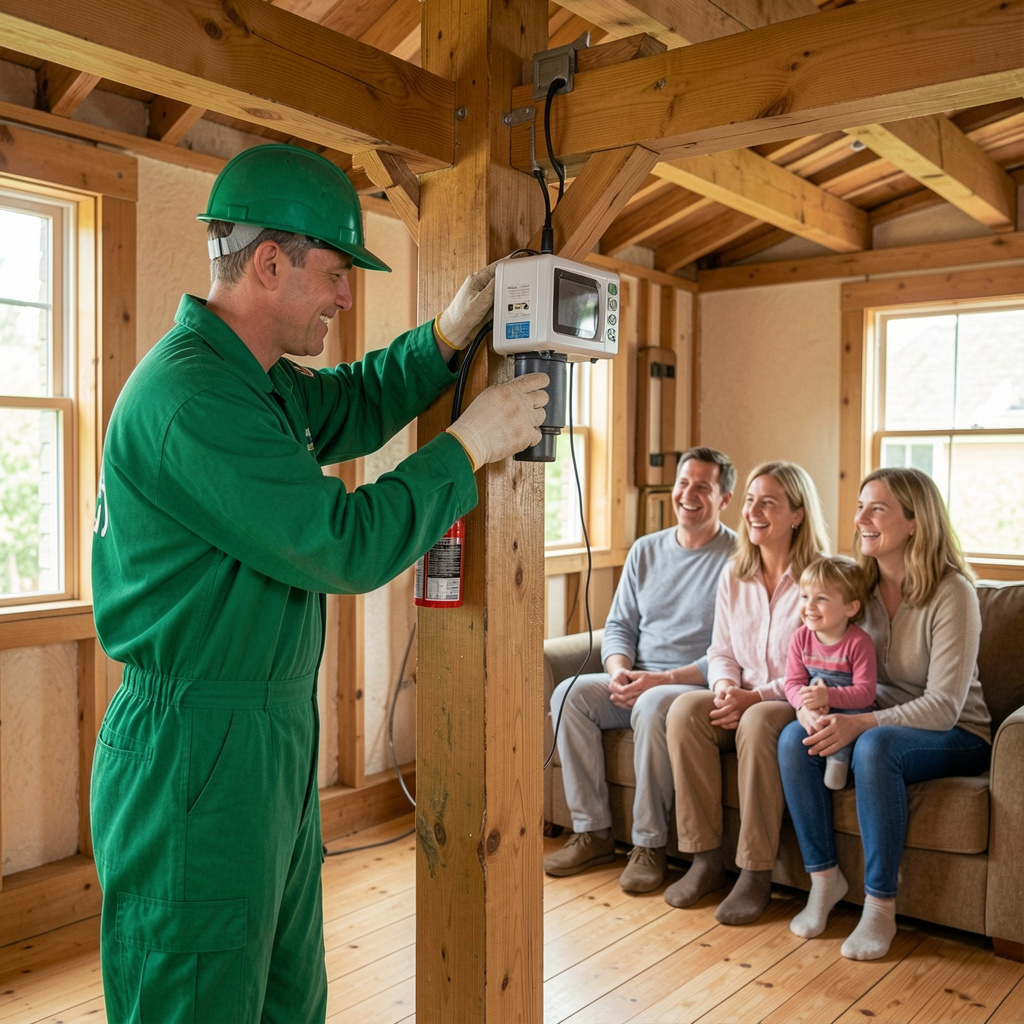
Wooden homes offer timeless beauty, natural insulation, and a warm, inviting atmosphere. However, timber structures are also vulnerable to pests such as woodworm, termites (in some regions), carpenter ants, and fungi that thrive in damp conditions. Traditionally, chemical pesticides have been the primary solution for protecting wooden buildings, but today many homeowners are seeking environmentally friendly alternatives that reduce chemical use while preserving the integrity of their homes.
Green pest control focuses on prevention, early detection, and targeted treatment methods that minimize environmental impact. Rather than relying solely on pesticides, these strategies combine moisture management, routine inspections, physical barriers, and modern technologies such as microwave woodworm treatment to protect timber naturally.
In this guide, we’ll explore the most effective green pest control methods for wooden homes, explain how they work, and show why sustainable timber preservation is becoming the preferred choice for homeowners and conservation professionals alike.
Why Wooden Homes Need Special Protection
Wood is a durable and renewable building material, but it can become vulnerable when exposed to excessive moisture or insect activity.
Common threats include:
- Woodworm (wood-boring beetles)
- Termites (where present)
- Carpenter ants
- Wood-decaying fungi
- Mold caused by damp conditions
Without proper maintenance, these issues can weaken structural timber, reduce property value, and lead to costly repairs.
What Is Green Pest Control?
Green pest control is an environmentally responsible approach to pest management that emphasizes prevention, monitoring, and targeted treatment while reducing reliance on synthetic pesticides.
Instead of treating pests only after major damage occurs, green methods focus on creating conditions that discourage infestations from developing in the first place.
1. Regular Timber Inspections
Routine inspections are one of the most effective ways to prevent serious pest problems.
Check wooden structures for:
- Small exit holes
- Powdery wood dust (frass)
- Soft or weakened timber
- Cracks and splits
- Signs of moisture
- Visible insect activity
Early detection allows treatment before structural damage becomes severe.
2. Control Moisture
Most wood-damaging insects are attracted to damp timber.
Reducing moisture is one of the simplest and most effective preventive measures.
Ways to Reduce Moisture
- Repair roof leaks promptly.
- Fix leaking plumbing.
- Clean gutters regularly.
- Improve drainage around the property.
- Keep crawl spaces dry.
- Ensure adequate attic ventilation.
Dry timber is naturally less attractive to wood-boring insects and fungi.
3. Improve Ventilation
Poor airflow allows humidity to build up inside wooden structures.
Good ventilation helps keep timber dry and reduces conditions that encourage pests.
Pay particular attention to:
- Roof spaces
- Basements
- Crawl spaces
- Utility rooms
- Storage areas
Proper ventilation also helps prevent condensation and mold growth.
4. Microwave Woodworm Treatment
One of the most advanced green technologies for protecting timber is microwave woodworm treatment.
Instead of using chemical insecticides, professional microwave equipment generates controlled heat inside infested wood through dielectric heating.
The timber reaches temperatures of approximately 55–60°C (131–140°F), eliminating:
- Woodworm larvae
- Beetle eggs
- Pupae
- Adult wood-boring beetles
Benefits
- Chemical-free
- No pesticide residues
- Localized treatment
- Environmentally friendly
- Suitable for heritage buildings
- Preserves original timber
5. Physical Exclusion
Preventing pests from entering your home is an important part of sustainable pest management.
Helpful measures include:
- Sealing cracks in exterior walls.
- Repairing damaged wooden siding.
- Installing door sweeps.
- Screening ventilation openings.
- Closing gaps around utility pipes.
Simple repairs can significantly reduce opportunities for pests to enter.
6. Maintain Healthy Timber
Well-maintained wood is naturally more resistant to biological damage.
Recommended practices include:
- Repair minor damage quickly.
- Replace severely decayed timber when necessary.
- Apply appropriate protective finishes where suitable.
- Prevent long-term water exposure.
- Keep structural timber clean and dry.
Regular maintenance extends the lifespan of wooden structures while reducing waste.
7. Integrated Pest Management (IPM)
Integrated Pest Management (IPM) combines several environmentally responsible strategies into one long-term pest prevention plan.
An IPM program typically includes:
- Routine inspections
- Moisture management
- Accurate pest identification
- Monitoring infestation levels
- Physical prevention methods
- Targeted treatments only when needed
This approach minimizes unnecessary pesticide use while maintaining effective pest control.
Why Homeowners Prefer Green Pest Control
Green pest control offers several important advantages.
Reduced Chemical Use
Many homeowners simply prefer to reduce pesticide use inside their homes whenever practical.
Better Indoor Environment
Avoiding unnecessary chemical applications may help maintain a cleaner indoor environment.
Environmental Responsibility
Green methods support sustainable property maintenance by reducing reliance on synthetic pesticides.
Preservation of Original Timber
Historic and valuable wooden features can often be preserved instead of replaced.
Long-Term Prevention
Green pest control focuses on addressing the causes of infestations rather than only treating the symptoms.
Microwave Treatment vs. Traditional Chemical Treatments
| Feature | Microwave Treatment | Chemical Treatment |
|---|---|---|
| Uses Chemicals | No | Yes |
| Leaves Chemical Residues | No | Usually yes |
| Uses Heat | Yes | No |
| Environmentally Friendly | High | Moderate |
| Suitable for Heritage Buildings | Often | Depends on the product |
| Localized Treatment | Excellent | Good |
Both methods have valuable roles, and the most appropriate choice depends on the infestation, property, and professional assessment.
Common Myths About Green Pest Control
Myth 1: Green Methods Are Less Effective
Fact: Modern green technologies, including professional microwave woodworm treatment and integrated pest management, can be highly effective when applied correctly.
Myth 2: Chemical-Free Means Maintenance-Free
Fact: Even the best green pest control strategy requires regular inspections, moisture control, and ongoing property maintenance.
Myth 3: Every Infestation Can Be Solved Without Chemicals
Fact: While many localized woodworm infestations can be treated using non-chemical methods, some situations may still require professional chemical treatments depending on the pest species and severity of the infestation.
When Should You Contact a Professional?
Professional advice is recommended if:
- Fresh frass appears regularly.
- New exit holes continue developing.
- Structural timber is affected.
- Moisture problems persist.
- Valuable antique furniture is infested.
- You prefer environmentally friendly treatment options.
A qualified timber preservation specialist can inspect your home, identify the cause of the infestation, and recommend the most appropriate green pest control solution.
Tips for Long-Term Timber Protection
To keep your wooden home pest-free for years to come:
- Inspect timber at least once a year.
- Keep indoor humidity under control.
- Repair leaks as soon as they appear.
- Ensure good ventilation in roof spaces and crawl spaces.
- Remove sources of excess moisture.
- Schedule professional inspections for older properties.
- Treat infestations early before structural damage develops.
Conclusion
Green pest control methods provide an effective and sustainable way to protect wooden homes from woodworm and other timber pests while reducing reliance on chemical pesticides. By combining moisture control, regular inspections, integrated pest management, physical exclusion, and innovative technologies such as microwave woodworm treatment, homeowners can preserve their timber, improve indoor environmental quality, and minimize their impact on the environment.
Although traditional chemical treatments continue to have an important role in certain situations, environmentally friendly alternatives are becoming increasingly popular for homeowners seeking long-term, sustainable timber protection. With proper maintenance and professional guidance, green pest control offers a practical and responsible approach to safeguarding wooden homes for future generations.Visit online https://www.shashel.eu for more details .